A Simple Way to Support Wildlife While Keeping Your Property Beautiful
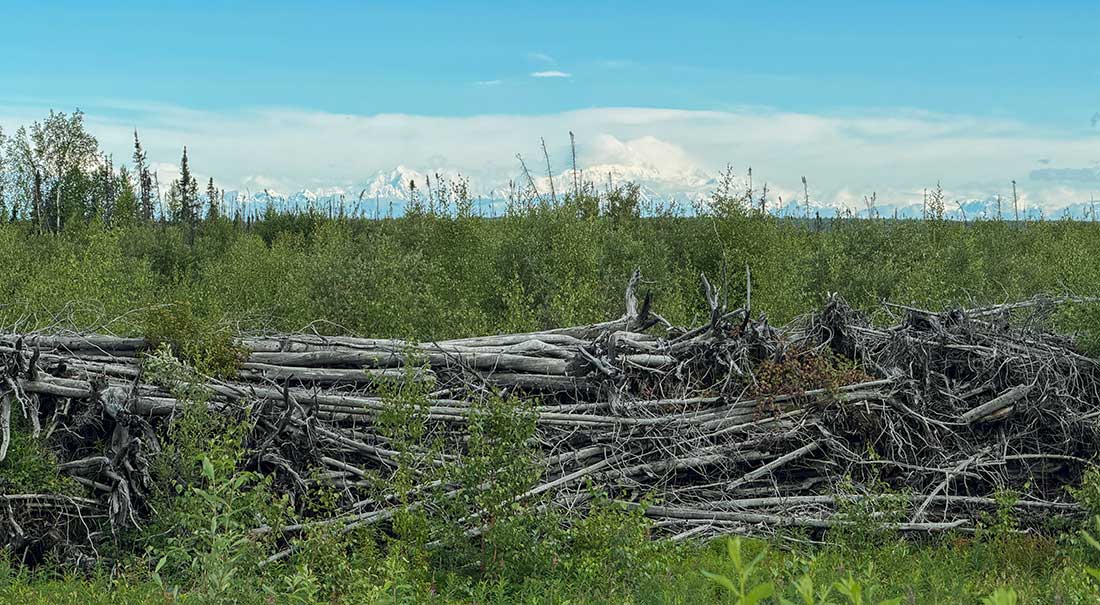
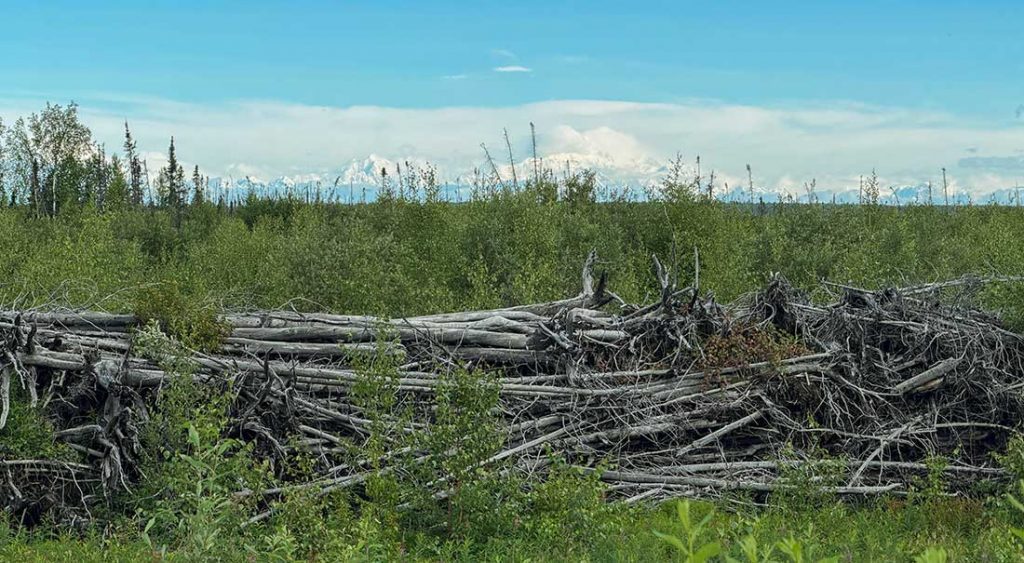
Dead hedge with Denali in the background
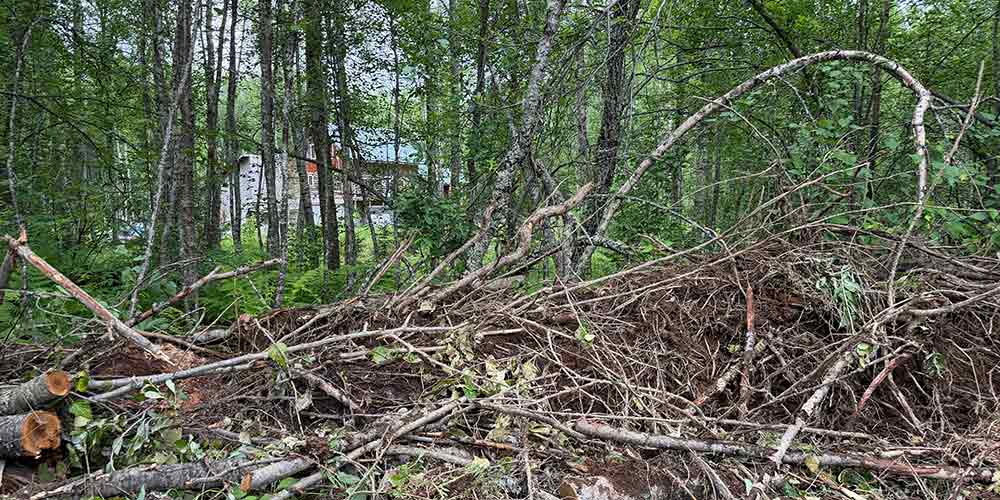
If you’ve spent any time clearing land in Alaska, you’ve probably looked at the growing pile of branches and wondered, What am I going to do with all of this? Burning isn’t always practical, hauling it away can be expensive, and leaving brush piles scattered around your property can look messy.
The solution might surprise you: build a dead hedge.
Despite the name, a dead hedge is anything but lifeless. It’s one of the easiest and most environmentally friendly ways to recycle fallen branches, improve your property’s appearance, and create valuable habitat for Alaska’s wildlife.
What Is a Dead Hedge?
A dead hedge is simply a fence-like structure built by stacking branches, logs, and woody debris between rows of sturdy stakes. Think of it as a natural fence made entirely from materials you’d normally throw away.
Instead of burning brush or paying to dispose of it, you transform it into something both attractive and functional. Dead hedges have long been used in Europe for woodland management and are becoming increasingly popular with gardeners, homesteaders, and conservationists because they provide immediate wildlife habitat while recycling natural materials.
Why Dead Hedges Are Perfect for Alaska
Alaska is full of fallen spruce, birch, willow, and alder branches. Whether you’re clearing a driveway, opening an RV site, or simply cleaning up storm damage, you’ll have plenty of material.
Dead hedges work especially well here because they:
- Recycle brush without burning it.
- Help define property lines and trails.
- Reduce wind near gardens or campsites.
- Hide unsightly areas like wood piles or compost bins.
- Blend naturally into Alaska’s forests.
Because our growing season is short, a dead hedge provides instant structure while living shrubs slowly establish.
A Haven for Wildlife
The real magic happens after the hedge is built.
As the wood begins to age, it becomes home to an incredible variety of life. Insects move in first, followed by spiders, beetles, fungi, mosses, birds, and small mammals. Every layer creates another piece of the local ecosystem.
Even dead wood plays an important role in healthy forests. Alaska wildlife depends on decaying wood and standing dead trees for food, nesting, shelter, and insect habitat.
You may notice:
- Chickadees searching for insects
- Red squirrels hiding food
- Snowshoe hares using it for cover
- Beneficial insects that help control pests
- Mushrooms and mosses breaking down the wood naturally
Instead of creating waste, you’re creating habitat.
Building a Dead Hedge
One of the best parts is how simple it is.
Drive two parallel rows of sturdy wooden stakes into the ground about 18 to 24 inches apart. Then begin stacking branches between the rows. Place larger limbs on the bottom and weave smaller branches throughout to lock everything together.
Continue adding material throughout the year whenever you prune trees or clean up storm damage. Over time, the hedge settles as the wood decomposes, making room for more branches.
Great Uses Around an Alaskan Property
Dead hedges are incredibly versatile.
Consider using one to:
- Separate campsites at an RV park.
- Screen a storage area.
- Border walking trails.
- Protect young trees from moose browsing.
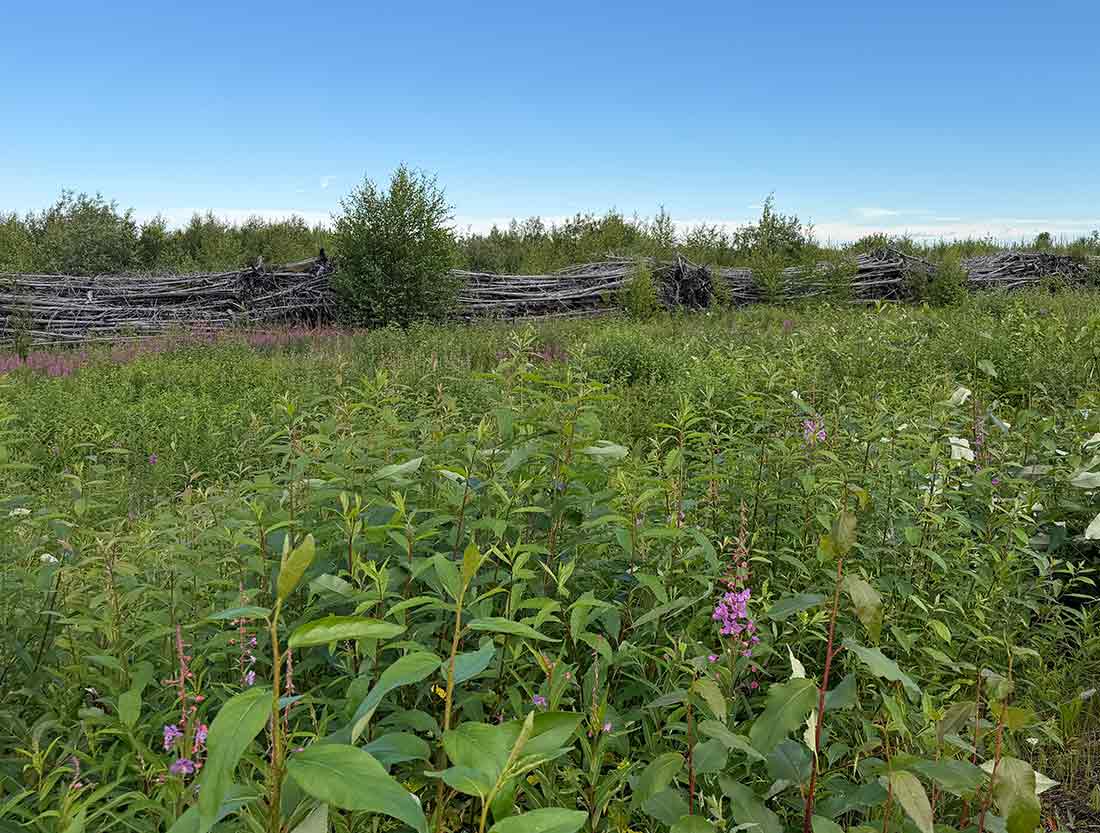
- Create a natural backdrop for wildflowers.
- Mark property boundaries without installing expensive fencing.
Their rustic appearance fits perfectly into Alaska’s landscape.
Our Plans at Moose Hollow Haven
As we continue restoring our property at Moose Hollow Haven, we’re always looking for ways to improve the land while working with nature instead of against it.
Building dead hedges allows us to recycle brush generated during trail clearing and site development while creating shelter for birds and other wildlife that call the property home. Rather than hauling away every branch, we’re giving it a second life—one that benefits both the landscape and the animals that live here.
Sometimes the best conservation projects are also the simplest.
Final Thoughts
Dead hedges prove that “yard waste” doesn’t have to be waste at all.
They’re inexpensive, easy to build, require very little maintenance, and provide lasting environmental benefits. Whether you own a cabin, homestead, campground, or simply a few wooded acres in Alaska, a dead hedge is an excellent way to turn cleanup into conservation.
The next time you finish trimming trees or clearing brush, don’t head for the burn pile. Build a dead hedge instead—and let nature do the rest.